Journey into the spiritual realm of Punjabi Sufi music, where qawwalis and kafis have transported souls toward the divine for centuries.
In the shrines dotting the Punjab landscape, a different kind of music fills the air - one that seeks not to entertain but to elevate the soul. Punjabi Sufi music, with its roots in Islamic mysticism, has created some of the most moving and spiritually profound music in the world.
The Sufi Tradition in Punjab
Punjab has been a cradle of Sufi thought for nearly a thousand years. Saints like Baba Farid, Bulleh Shah, and Shah Hussain spread their message of divine love and universal brotherhood through poetry that was set to music. Their words, written in Punjabi, spoke directly to the hearts of common people.
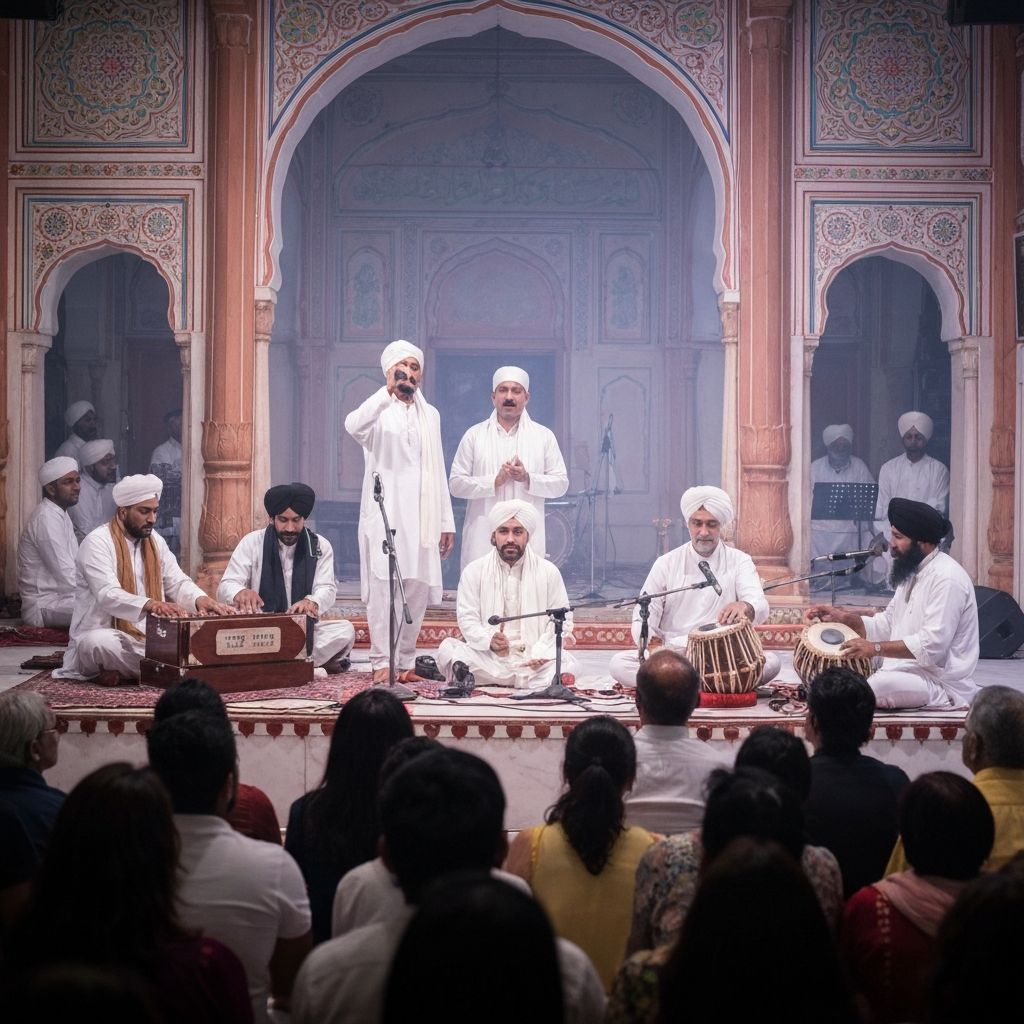
The Sufi shrines of Punjab - from Pakpattan to Kasur, from Multan to Lahore - became centers of musical tradition where qawwals (Sufi musicians) performed all night, creating an atmosphere of spiritual ecstasy.
Musical Forms
Punjabi Sufi music takes several forms:
- Qawwali: The most famous form, featuring call-and-response singing, hand claps, and instruments like harmonium and tabla
- Kafi: Mystical poems set to classical ragas, often performed by solo singers
- Dhun: Devotional tunes sung at shrines during specific times
The Message
What makes Sufi music unique is its content. The lyrics speak of ishq (divine love), the longing of the soul for its Creator, and the dissolution of the ego in union with the Beloved. Using metaphors of wine, intoxication, and romantic love, Sufi poets expressed profound spiritual truths in accessible language.
"Destroy the mosque, destroy the temple, destroy everything in sight. But never destroy the human heart, for that is where God resides." - Bulleh Shah
Today, Sufi music continues to captivate audiences worldwide, bridging religious and cultural boundaries through its universal message of love and devotion.