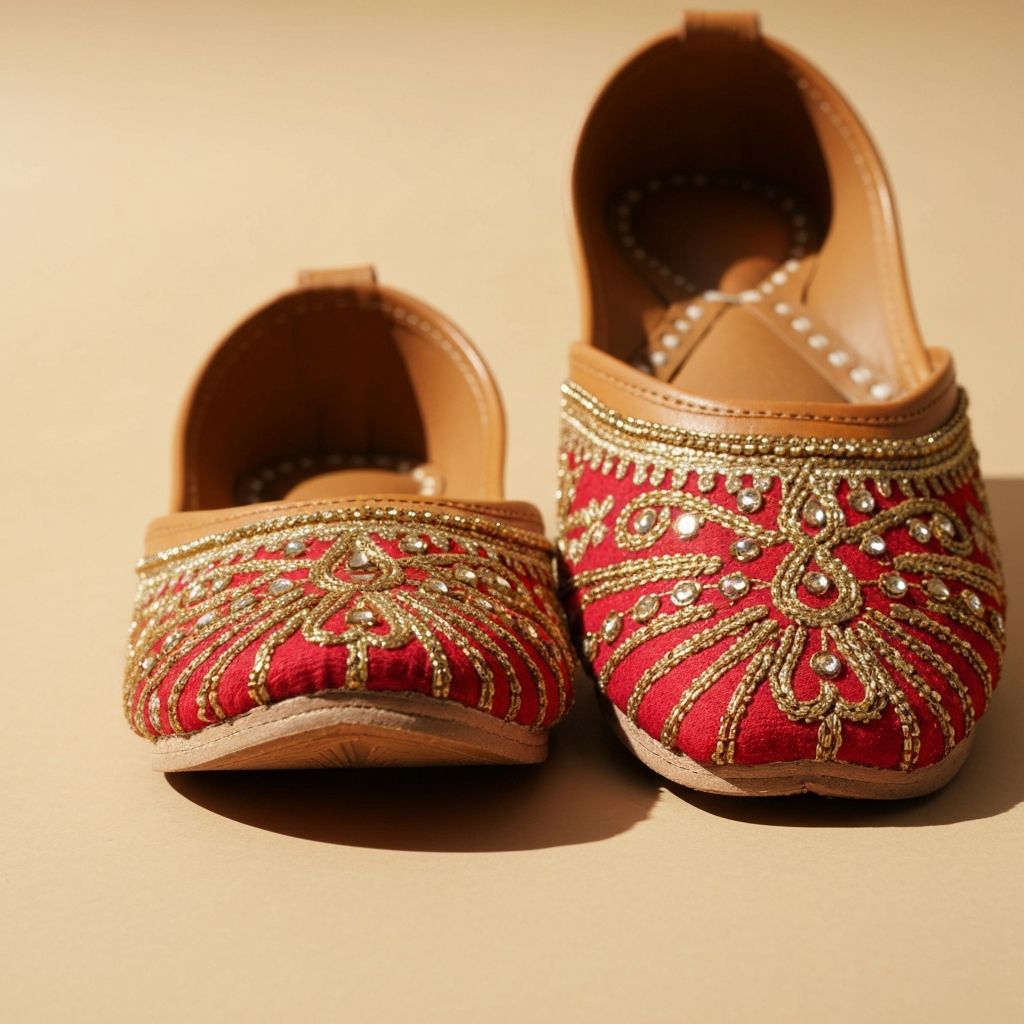
Step into the colorful world of Punjabi juttis - handcrafted leather shoes that combine centuries-old craftsmanship with vibrant Punjabi aesthetics.
Walk through the markets of Amritsar or Patiala, and your eyes will be drawn to shops overflowing with colorful, embroidered leather shoes - the iconic Punjabi jutti. These handcrafted treasures are more than just footwear; they are wearable pieces of art that represent centuries of Punjabi craftsmanship.
A Rich History
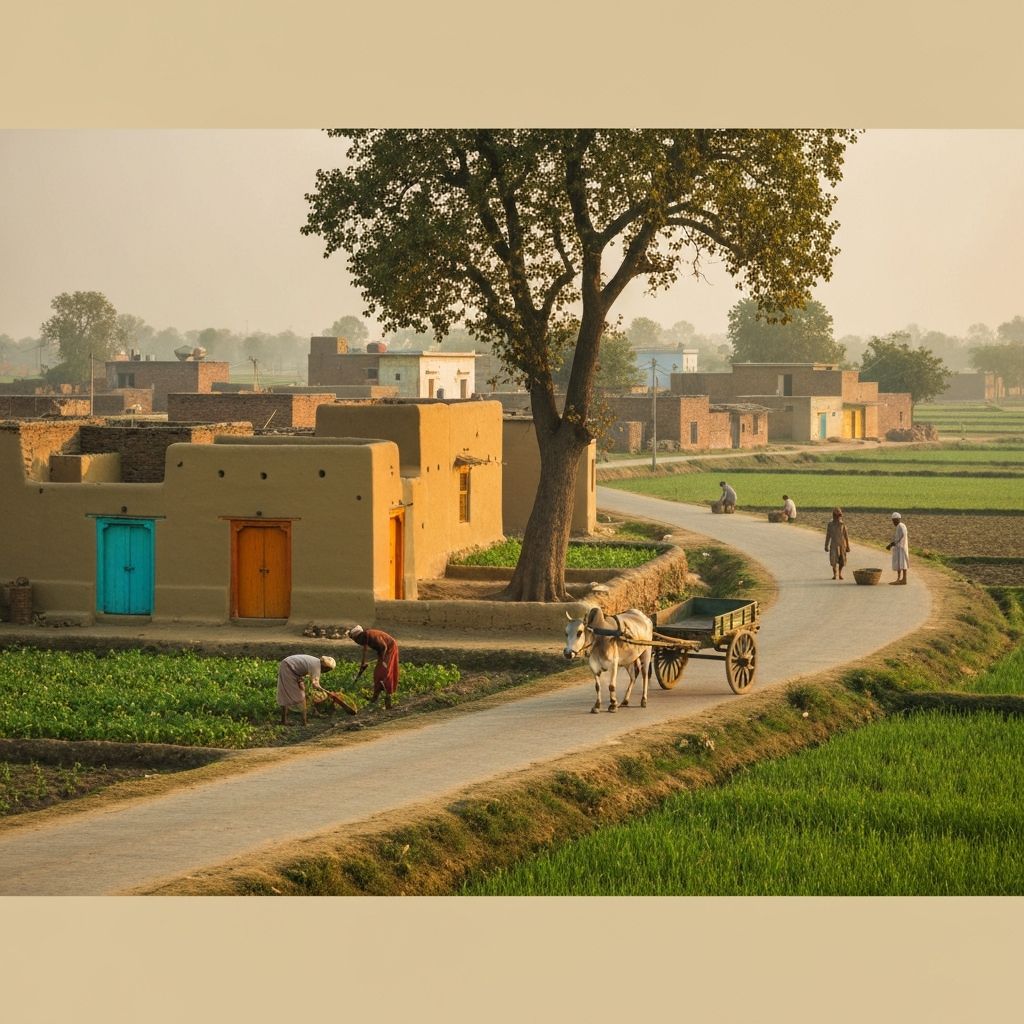
The jutti tradition in Punjab dates back to the Mughal era, when skilled craftsmen created footwear for royalty. Over time, the art spread to villages across Punjab, becoming an integral part of traditional attire for both men and women. Each region developed its own distinctive style and patterns.
The Making of a Jutti
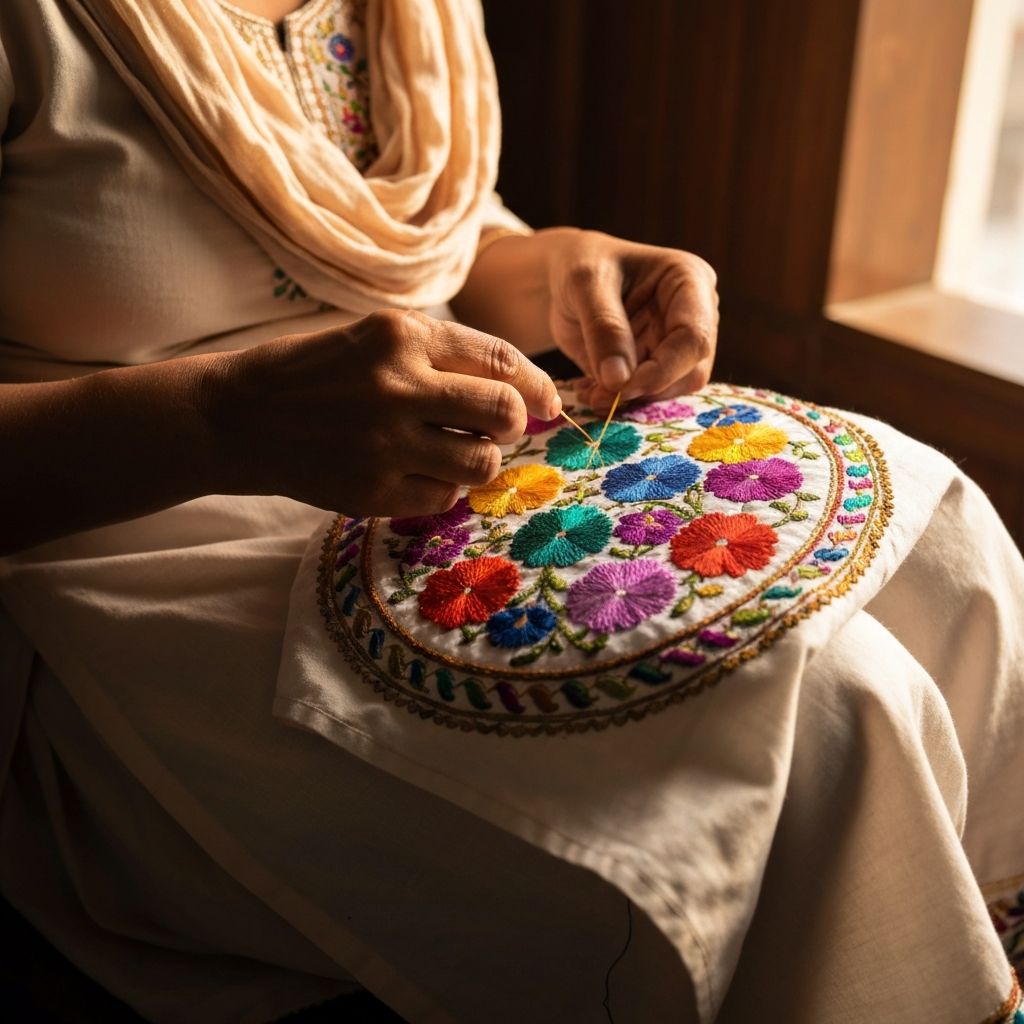
Creating a traditional jutti is a labor-intensive process that can take several days. The craftsman, called a mochi, starts with high-quality leather that is cut, shaped, and stitched by hand. The upper part is then embroidered with intricate designs using silk or cotton thread, beads, sequins, and sometimes even real gold and silver thread.
The distinctive curved toe of the jutti serves both aesthetic and practical purposes - it was originally designed to fit comfortably in stirrups while riding horses.
Styles and Occasions
Juttis come in endless varieties:
- Bridal juttis: Heavily embroidered in red and gold for weddings
- Nagra style: With the pointed, upturned toe favored by men
- Casual juttis: Simpler designs for everyday wear
- Festival juttis: Adorned with mirrors and bright colors
"A well-crafted jutti is like poetry for your feet." - Punjabi artisan
Today, Punjabi juttis have found admirers worldwide, gracing fashion runways and celebrity feet. Yet the true beauty of the jutti remains in its handcrafted nature - each pair unique, each stitch a testament to the artisan's skill and dedication.